
JUSTICE SQUARED
Healing Supports
Welcome to the community garden.
What healing supports are
This work is meaningful, and it is also heavy. It asks people to sit with structural racism in healthcare, in their own communities, often on subjects that have touched their own lives. Healing supports exist so that sustaining yourself is part of the work rather than something you get to afterward.
Who it is for
MoreLess
Team members, accompaniers, the support team, and operations. Nobody has to explain themselves to qualify, and nothing you bring has to be big enough to deserve the time.
How the hours work
MoreLess
Use them for individual sessions, for group sessions during a JELA, or for a mix of both. Nobody rations them for you and there is no approval to chase. The request form further down the path is how it starts.
If this is your first time
MoreLess
These are confidential spaces held by practitioners who do this work for a living. You can come as you are, say as much or as little as you want, and stop whenever you want. Curiosity is reason enough to book one.
Choosing who to sit with
MoreLess
The practitioners in the garden work in different traditions, from somatic and breath practice to trauma-informed therapy to racial healing. Open a bio, and if someone fits, ask for that person by name on the form. If you are unsure, say so and someone will help you find the fit.
Reason enough to reach out
Something happened in a session and you are still carrying it days later.
Grief, loss, illness, or a family situation is sitting on top of the work.
Your team is stuck on something that is not a work problem.
You want to bring a grounding practice into your team's own rhythm.
You are heading into a hard conversation and want to prepare for it.
You are not sure what you need and want to talk it through with someone first.
What it is, and what it is not
Turn a card over to see the rest of it.
Yours to use
Turn the cardThe hours are already set aside for you. Booking a session is not taking anything from anyone, and it does not have to wait until something has gone wrong.
Confidential
Turn the cardWhat you bring to a practitioner stays with that practitioner, unless someone's safety is at immediate risk. It does not travel back to your team, to WE, or into any record.
Yours to shape
Turn the cardOne person, a pair, or a whole team. Once or on a rhythm. In a session, at a convening, or on a quiet Thursday. You say what would help and we work from there.
Therapy
Turn the cardThese sessions do not replace your own care. A practitioner will tell you plainly when what you are bringing needs more than they can hold, and will help you think about where it could go.
Conflict resolution
Turn the cardA practitioner can guide a conversation when both people want one. The conversation is still yours, and the outcome is not decided for you.
A decision about you
Turn the cardUsing healing supports changes nothing about your role, your agreement, or your standing in the program. Those questions live with WE and stay separate from this.
Ways to bring it into your work
Healing supports are not only for hard moments one at a time. Open any of these to see how it gets started.
A session for you
How to askClose
A session for you
Fill out the request form. Name the practitioner you would like to sit with, or say you are not sure and would like help choosing. You do not need to explain what it is about.
A session with your team
How to askClose
A session with your team
One person submits the request form on behalf of the group. Say roughly what the session is for and offer two or three times that work, and the J2 team handles the scheduling from there.
Groundings at a JELA
How to askClose
Groundings at a JELA
Nothing to request. These are built into the convening design with the practitioners ahead of time. If there is something your team would like held at a JELA, tell us before the agenda is set.
A practitioner in a peer session
How to askClose
A practitioner in a peer session
Mention it to your accompanier, who brings it to the J2 team. Say what the group is working on so we can match the practitioner to it.
A practitioner at a community session
How to askClose
A practitioner at a community session
Nothing to request. These are coordinated by the J2 team and announced ahead of time, so watch the Need to Know for what is coming up.
Courses and standalone sessions
How to askClose
Courses and standalone sessions
Nothing to request. These sit on the platform alongside everything else and are open to everyone, with no hours drawn and no sign-up.
One thing worth knowing before you ask
Healing support
You are asking a practitioner to be present with people. One-on-one, in a breakout, in a peer session, or in a session with your team. This draws on your team's healing support hours.
Technical assistance
You are asking a practitioner to travel to your work, deliver at a design day, or build something for your project. That is a TA request and it comes from your team's TA allotment.
Several of our practitioners can be engaged either way. What decides it is what you are asking them to do, not who they are. When you are not sure, ask us before you submit. It is easier to sort out in advance than after.
Who is in the garden
Five practitioners hold this space. Open a bio to read more about how each one works.
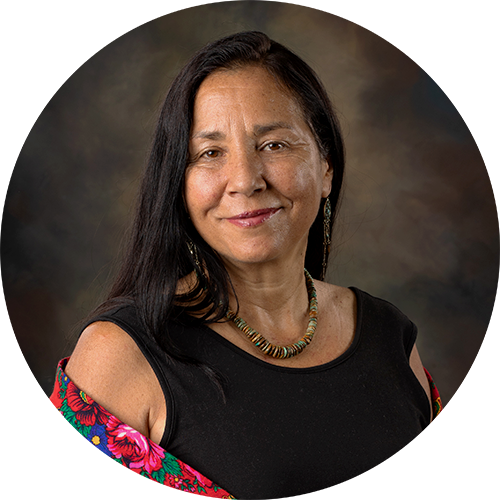
Dr. Ruby Gibson
Somatic Archaeology, historical trauma reconciliation
Read bioHide bio
As the Executive Director of Freedom Lodge non-profit, Dr. Ruby Gibson has been dedicated to the craft and science of historical trauma reconciliation, cultural recovery, and wellness among Native Peoples for 35 years. She developed the transgenerational recovery model, Somatic Archaeology, and authored My Body, My Earth, The Practice of Somatic Archaeology, and its companion, My Body, My Breath Card Deck, A Tool for Transformation. Her techniques were formally researched and documented in the Toronto Press in December 2023. The mother of 4 children and grandmother of 5 grandchildren, Dr. Ruby has a heart full of hope for the next seven generations.
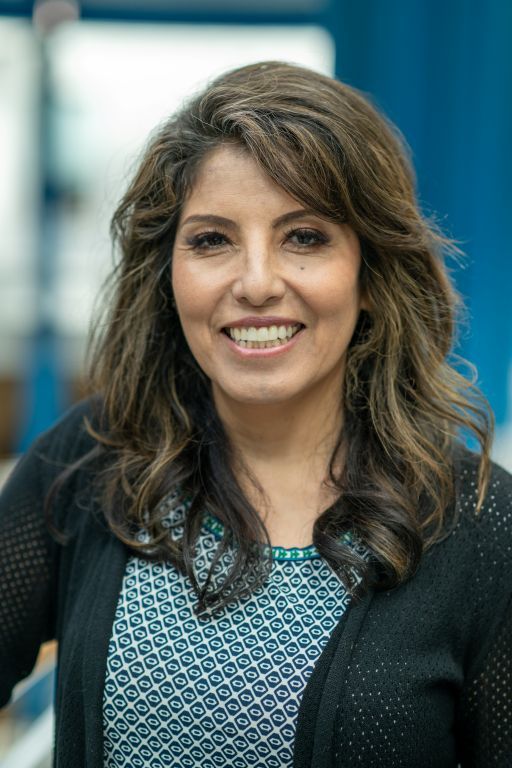
Katia R. López Petrovich
Marriage and family therapy, trauma-informed and culturally responsive care
Sessions in English and SpanishRead bioHide bio
Katia R. López Petrovich, MS, NCC, LMFT is a Licensed Marriage and Family Therapist and the Founder and Owner of Multicultural Psychotherapy and Consulting Services, Ltd. She has extensive experience providing outpatient mental health services to adolescents, adults, and families from diverse cultural backgrounds, with a strong focus on serving Latino communities in community-based settings, including nonprofit organizations and Hennepin County Medical Center in Minneapolis. Her work is grounded in trauma-informed, culturally responsive, and family-centered care, and she provides services bilingually in English and Spanish. She has advanced training in EMDR, Trauma-Focused Cognitive Behavioral Therapy, and Somatic Experiencing, and is a Minnesota Board-approved Marriage and Family Therapy Supervisor.
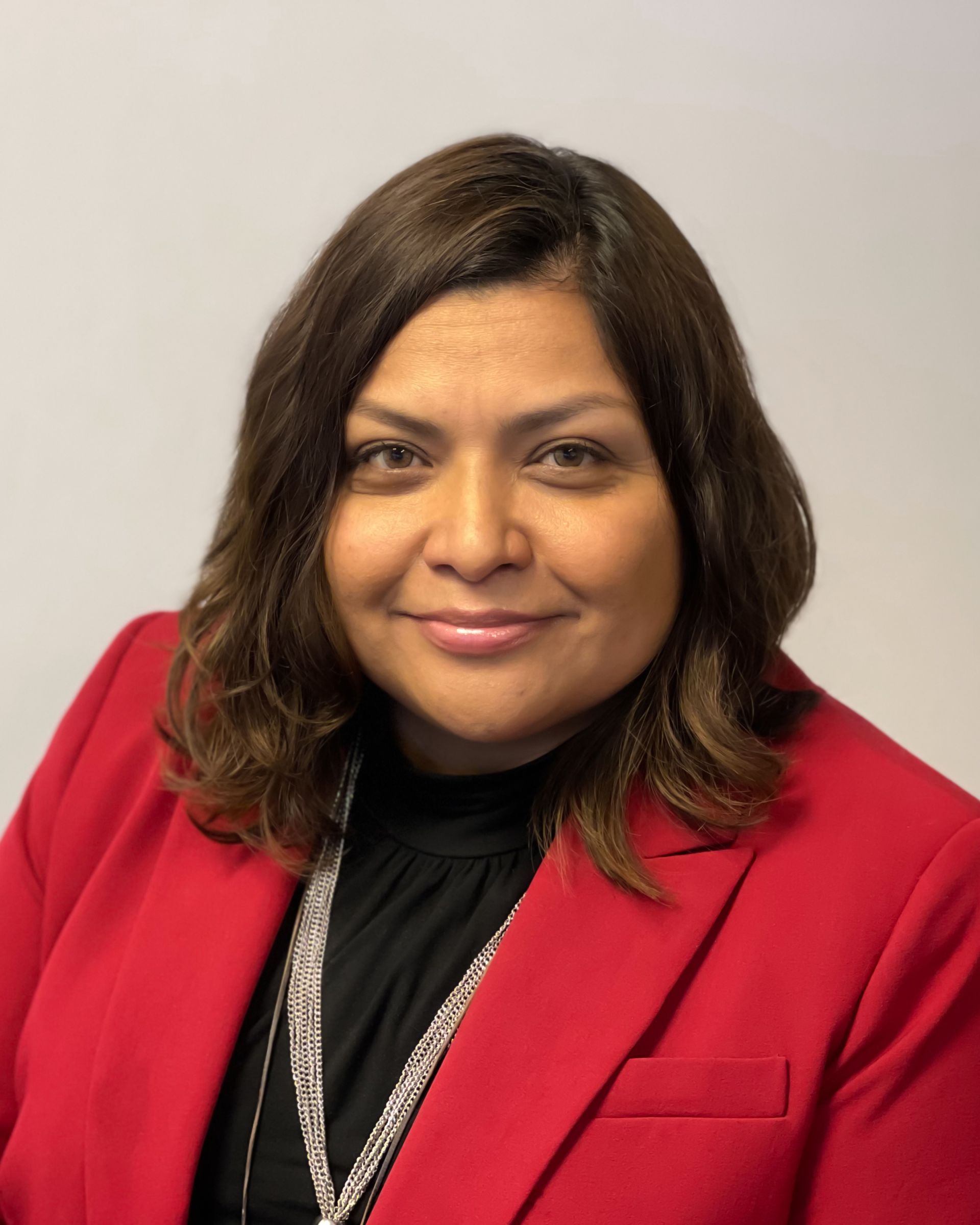
Magdalena Sunshine Serrano
Healing-centered coaching, behavioral health leadership
Read bioHide bio
Magdalena Sunshine Serrano, LCSW, is Founder and CEO of Psyched Up Coaching and a behavioral health leader advancing healing-centered, equity-driven systems of care. She serves as Director of Behavioral Health and Psychiatry Services at Community Health Centers of the Central Coast, Inc., leading integrated care and culturally responsive practices. Serrano specializes in healing-centered approaches with Indigenous and underserved communities. As a coach and practitioner, she partners with leaders to build resilience, deepen reflective practice, and foster connection and empowerment. Her coaching mantra centers on unlocking one's essence to support authentic, aligned leadership and sustainable, community-driven change.
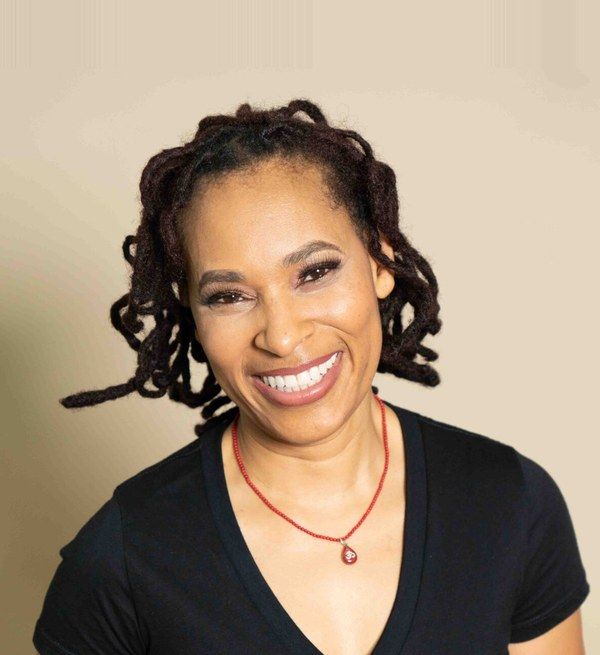
Dr. Maiysha Clairborne
Integrative physician, trauma-informed communication
Read bioHide bio
Dr. Maiysha Clairborne is an Integrative Physician, Visionary, Thought Leader, Consultant, and Trainer of Neurolinguistic Programming. The founder of the Mind Re-Mapping Co., she helps individuals and organizations better understand trauma and how it affects the brain, our behavior, and our communication through her workshops, consulting and coaching. Informed by neuroscience and grounded in the tenets of emotional intelligence, Dr. Clairborne helps individuals and organizations become trauma informed by teaching conscious communication and emotional fluency.
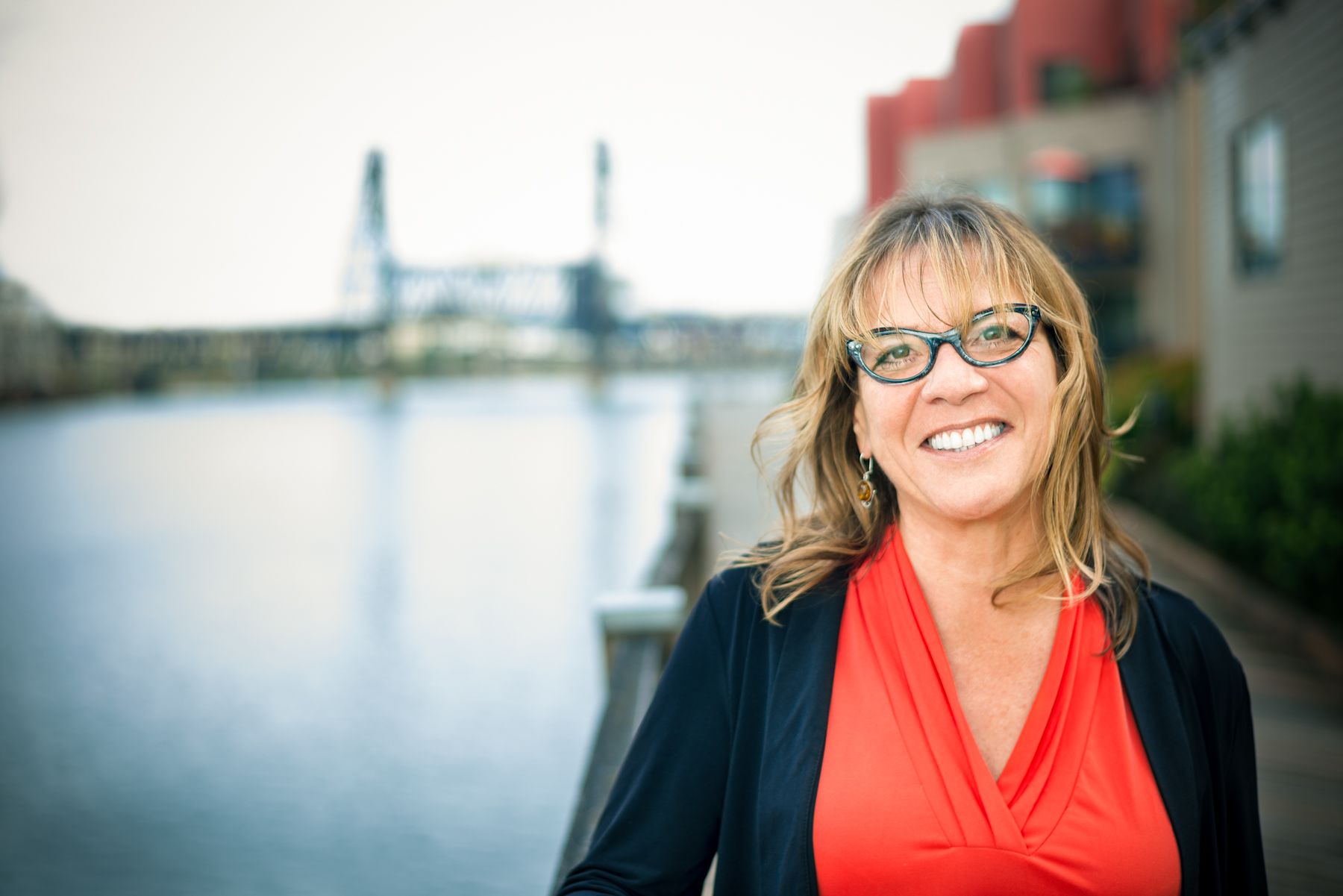
Laura Jean Brennan
Healing-centered coaching, trauma-informed facilitation
Read bioHide bio
Laura Jean Brennan, MSW, is a healing-centered coach and facilitator with more than 30 years of experience supporting individuals, communities, and systems in advancing equity, wellbeing, and meaningful change. Her work is rooted in trauma-informed practice, deep listening, and the belief that healing and justice are connected. She has designed and led large-scale community engagement and transformation efforts across public sector, healthcare, and community-based systems, with particular expertise in creating spaces where people who have historically been left out can safely share lived experience, build connection, and shape solutions that reflect their realities. As a coach, she supports individuals and groups to navigate complexity, process experience, and move toward alignment and action, drawing on structured facilitation, relational trust-building, and reflective practice. Through her work with JUSTICE SQUARED, Laura Jean helps cultivate spaces that center accountability, growth, and transformation.
Ready when you are
One form does both. Use it to ask for time with a practitioner, or to tell us that something happened in a JUSTICE SQUARED space. The first question asks which one you are here for, and everything after that follows from your answer.
For a session, you can name the practitioner you want or ask for help choosing. For telling us something happened, only one question is required and your name is not one of them.
Questions of any kind go to j2@weintheworld.org
Healing support or reporting harm?
These are two different paths. Healing support is yours to use for anything you are carrying, and it is its own path, separate from reporting. Reporting harm is for when something harmful happened in a JUSTICE SQUARED space and you want J2 Ops to know so it can be responded to with care.
Healing support
Time with a practitioner, for you or your team. It stays between you and the practitioner, unless someone's safety is at immediate risk.
Request a sessionReporting harm
Something harmful happened in a JUSTICE SQUARED space, to you or in front of you, or someone told you about it. Healing support can be part of what comes next, and it is still yours to choose.
The greenhouse
Practices you can use between sessions, on your own or with your team. Open any one of them to see the steps.
Radical Healing Practices, shared with the garden by Laura Jean Brennan.
Before you begin
Reminders and principles for holding this well, whether for a group or on your own.
OpenClose
Reminders for whoever holds the space
- Use what resonates and adapt it to your context. Healing is a practice, not a prescription.
- You do not have to have all the answers.
- You are holding space, not fixing problems.
- Silence is not failure. It is often where reflection happens.
- Participation can look like listening.
- You can pause, adapt, or shorten any activity.
- Your presence matters more than perfection.
Guiding principles
- Embodiment over abstraction. Healing happens through the body, not just thinking.
- Culture as medicine. Ancestral, spiritual, and communal practices are central.
- Collective over individual. Healing is relational and interdependent.
- Justice oriented. Healing is connected to systemic transformation.
- Optional disclosure. Safety comes first. Sharing is always a choice.
Truth-telling and witnessing
Why it is radical: it centers lived experience as knowledge and power.
StepsClose
Truth-telling and witnessing
- Form a circle and introduce a talking piece.
- Offer the prompt: what truth has been silenced in your life or community?
- Invite deep listening with no interruption, fixing, or reframing.
- Close with an optional affirmation.
You are holding space, not solving problems. Silence is okay.
Ancestral connection
Why it is radical: it reconnects identity and inherited strength.
StepsClose
Ancestral connection
- Guide slow breathing and invite participants to close or soften their eyes.
- Offer the reflection: what guidance or strength can I draw on right now?
- Invite optional journaling or art.
Keep language open and inclusive. Participants may define ancestry in their own way.
Liberation movement
Why it is radical: it restores bodily autonomy and expression.
StepsClose
Liberation movement
- Play music that resonates culturally or emotionally.
- Invite movement at any level.
- Encourage participants to follow their body's cues.
Model participation gently. People often follow your lead.
Collective care mapping
Why it is radical: it shifts from individual survival to collective care.
StepsClose
Collective care mapping
- Draw circles representing self, relationships, and systems.
- Map sources of support.
- Identify gaps and explore ways to strengthen care.
Normalize that gaps exist. This is about awareness, not judgment.
Restorative justice practice
Why it is radical: it centers accountability and healing over punishment.
StepsClose
Restorative justice practice
- Gather in a facilitated circle.
- Use guiding questions: what happened, who was impacted, what is needed now?
- Invite accountability and shared understanding.
- Close with commitments to repair.
Adapt or shorten if the group is not ready for deep sharing.
Radical self-care ritual
Why it is radical: it reclaims care as resistance rather than indulgence.
StepsClose
Radical self-care ritual
- Identify one or two nourishing practices.
- Create a simple, repeatable ritual.
- Optionally share it with someone for accountability.
Encourage small, realistic commitments. Consistency matters more than intensity.
Story and witness
Why it is radical: it turns silence into voice and collective memory.
StepsClose
Story and witness
- Invite writing, speaking, or creative expression.
- Offer optional sharing opportunities.
- Reflect on strengths and lessons.
Participation can look like listening. Sharing is never required.
The whole point
Radical healing is not separate from the work. It is how individuals, teams, and communities sustain themselves while creating meaningful change.
More resources coming soon
The shelves are still being stocked. Practitioner resources arrive here as they are ready.
When something harmful happens
What happens after you tell someone
- Tell someone. A trail guide, a healing support provider, or J2 Ops, in person, by message, or through the form.
- Take the first conversation at your pace. Someone from J2 Ops checks in with you and can connect you to healing support for a conversation if you would like.
- Hear back from J2 Ops within 1 business day.
- Hear where things landed within about two weeks. You are able to continue with healing support as needed.
If someone tells you something happened
In the moment
- Listen first. You do not have to be a fixer in this moment.
- Be honest about privacy. Rather than promising to keep something secret, let the person know upfront that you may need to bring it to someone who can help.
- Offer healing support, and let the person choose.
- If a full session needs to be paused, you can ask for it.
Right after
- Bring it to J2 Ops, a trail guide, or a healing support provider.
- If anyone is in physical danger, or it involves security, legal, or public exposure, reach out to Shu (Defense and Resilience lead) right away.
- Take care of yourself, too. Hearing something hard is its own kind of heavy, and healing support is yours to use.
JUSTICE SQUARED
Questions of any kind go to j2@weintheworld.org. There is no such thing as a question that is too small.